
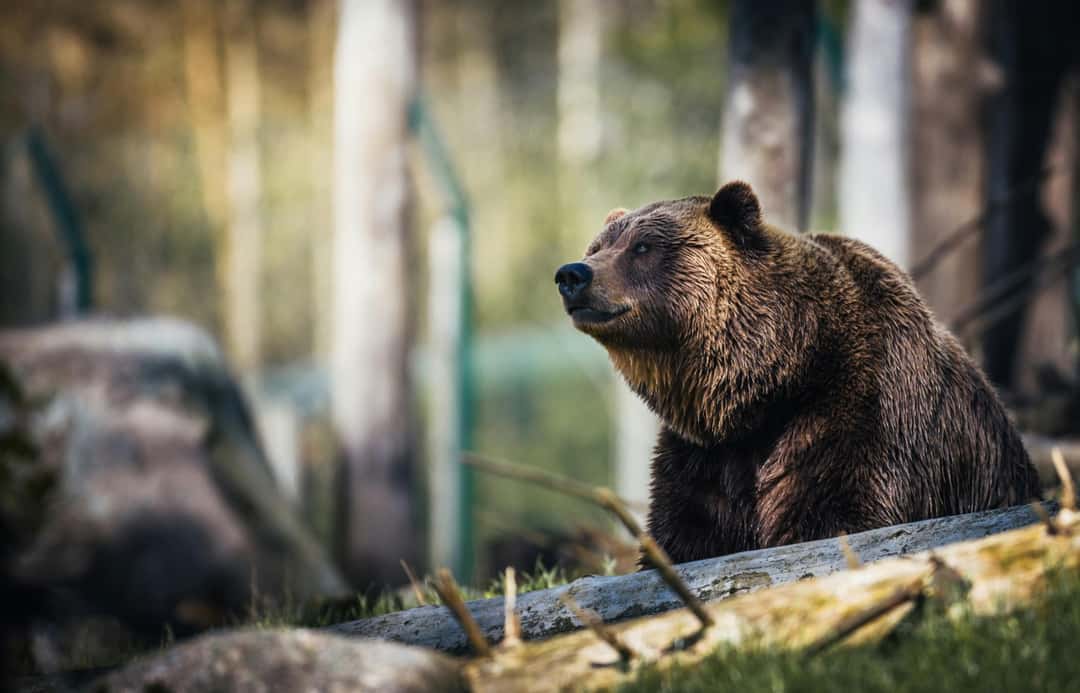
Wildlife is one of the main reasons people travel to Alaska and the Canadian Rockies, and it is also the aspect of the trip most subject to disappointment — because brochures show the highlight reel and reality is a matter of odds.
Here is a more honest picture of what you are likely to see, what takes luck, and what to do when you find yourself sharing a path with something large.
What you are very likely to see
Bald eagles. Common in coastal Alaska to the point of being unremarkable to locals. You will see them on posts, on shorelines and overhead.
Sea otters and harbour seals. Reliable on a Kenai Fjords cruise. Otters float on their backs in rafts and are, objectively, the most charming animal in the northern Pacific.
Steller sea lions. Hauled out on rocks in noisy, pungent numbers.
Elk. Abundant in the Canadian Rockies, frequently in and around Banff and Jasper townsites. In late August and September the bulls begin their rut, and the bugling — a strange, high, carrying whistle — is one of the great sounds of the Rockies. Give them a very wide berth at that time of year; rutting bulls are genuinely dangerous.
Bighorn sheep and mountain goats. Common on the Icefields Parkway, often at the roadside licking mineral deposits.
Marmots, pikas and ground squirrels. Everywhere above the treeline, and better entertainment than they sound.
Good odds, but not guaranteed
Bears. Both regions have healthy populations of black and brown bears. On a trip with time in Denali and the Rockies, sightings are likely — but they are sightings, often at distance, often a dark shape moving through scrub rather than a magazine cover.
Moose. Alaska has the largest subspecies in the world, and a bull moose in full antler is startlingly big. They favour wetland and willow scrub, and are most active at dawn and dusk.
Humpback whales. Good odds on Alaskan coastal cruises in summer, when they are feeding. Breaching is a bonus rather than an expectation.
Caribou and Dall sheep. Both reasonably reliable in Denali, usually at distance.
Black bears in the Rockies. Often seen from the road in berry season, which is exactly when they are most preoccupied with eating.
The lucky ones
Wolves. Present in both regions, seen by very few. A wolf sighting is the sort of thing your guide will remember for the season.
Orcas. Possible on Alaskan coastal waters, less reliable than humpbacks.
Lynx and wolverine. Essentially a lottery win.
A clear view of Denali. Not wildlife, but the same category of luck. The mountain generates its own weather and is fully visible only a minority of days.
How to actually see more
Be out at dawn and dusk. Almost everything is more active then. The single biggest determinant of what you see is what time you are willing to be awake.
Bring binoculars. Not optional. Most sightings are at distance, and the difference between "a brown dot" and "a grizzly with two cubs" is a decent pair of binoculars. Eight or ten magnification is right.
Be quiet and stop moving. Groups that talk constantly see less. This is one of the practical advantages of travelling in a small group rather than a coach of forty.
Scan, do not stare. Look for movement and for shapes that are the wrong colour for the background, rather than trying to identify an animal outline.
Trust the guide. People who work these landscapes daily spot things you will not. Ask what they are looking at.
Bear safety, briefly and seriously
This is the part worth reading twice.
- Keep your distance. The standard guidance in Canadian parks is at least 100 metres from bears and wolves, and at least 30 metres from elk, moose, sheep and goats. In rutting season, more.
- Never approach for a photograph. This is how nearly every incident begins. Use the zoom.
- Never get between a mother and her cubs. If you see cubs, the mother is nearby and you should leave.
- Make noise on trails. Most bear encounters happen because a bear was surprised. Talking as you walk prevents almost all of them.
- Do not run. Running triggers pursuit. Back away slowly, facing the animal, without direct eye contact.
- Bear spray. Carried by many guides in both regions. If you are carrying your own, know how to use it before you need it, and note that it cannot be taken on commercial flights.
- Never feed anything. A fed animal becomes a habituated animal, and habituated animals are routinely destroyed. The phrase in both countries is blunt: a fed bear is a dead bear.
None of this should make you nervous. Serious incidents are rare, and overwhelmingly the result of people ignoring exactly these rules.
A note on expectations
The best wildlife moments on these trips are rarely the ones people anticipate. A bull moose standing in a pond at seven in the morning while nobody speaks. Otters in a raft on flat water. A marmot on a rock, entirely unbothered.
Go hoping for a grizzly and you may be disappointed. Go paying attention and you will not be.
Frequently asked questions
Will I definitely see a bear?
No responsible operator can promise that. Odds are good across a trip covering Denali and the Rockies, usually at distance.
What is the best month for wildlife?
August, when the salmon runs keep Alaskan bears busy and the Rockies' animals are active before the rut. See our guide to why August works best.
Do I need binoculars?
Yes. It is the single most useful thing you can pack for this trip.
How close is too close?
100 metres from bears and wolves, 30 metres from elk, moose and sheep. Further during the elk rut.
Are the animals dangerous?
Only if approached, surprised or fed. Rutting elk and moose deserve as much respect as bears.
Our fifteen-day Alaska & Canadian Rockies journey includes a six-hour Kenai Fjords cruise and a Tundra Wilderness Tour in Denali. See the full itinerary.